
You've learned the routine without even thinking about it: don't run the microwave while the AC is cycling, don't start the dryer during dinner prep. It's become a habit, not an emergency. The breaker trips, you flip it back on, and life goes on.
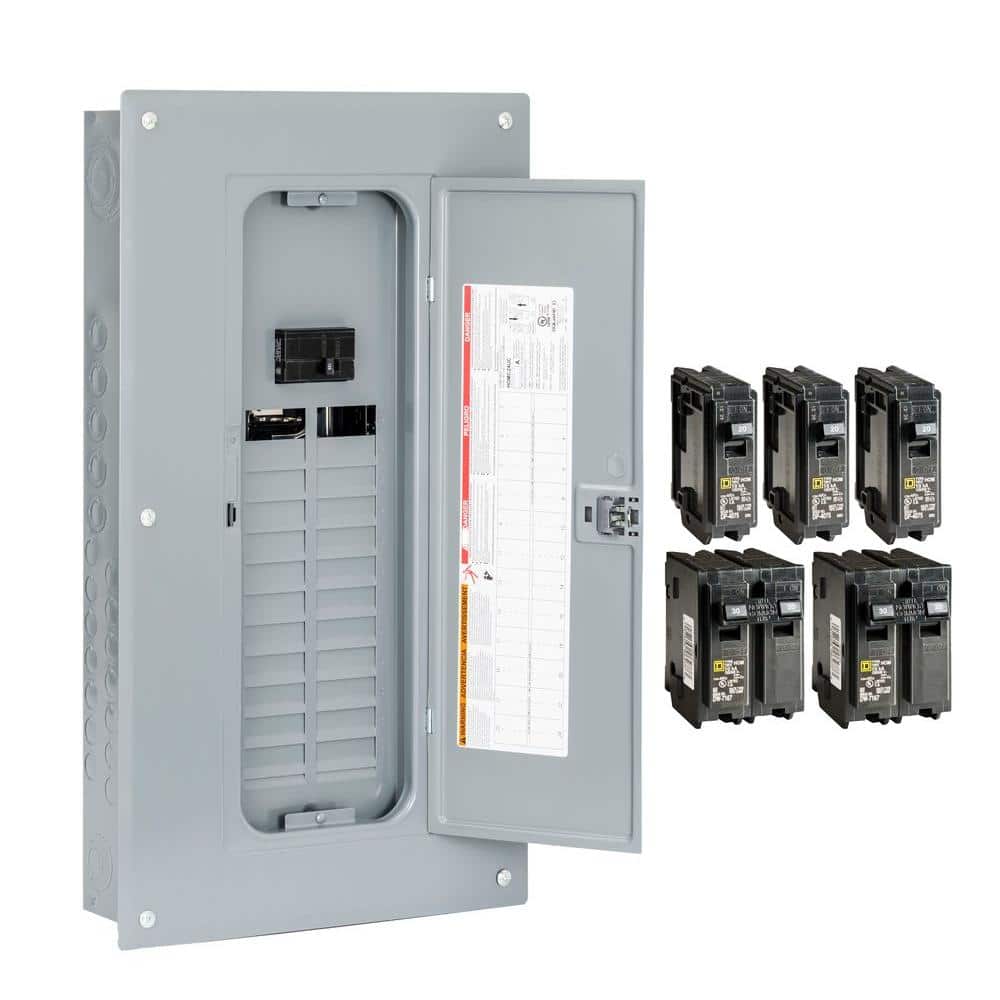
That habit is worth questioning. A breaker that trips when two everyday appliances run at once isn't just an inconvenience — it's your electrical panel telling you it can't handle your home's actual load anymore.
Why This Happens More in Older Homes
Electrical panels are built to handle a certain amount of load based on the standards and appliance demands of the era they were installed in. A panel that was perfectly adequate 20 or 30 years ago was sized for a home with fewer major appliances, less air conditioning demand, and no expectation of things like electric vehicle chargers or high-draw kitchen equipment.
As homes add central air, upgraded kitchens, and more electronics, that same panel is often still in place — just working harder than it was ever designed to. A tripped breaker during simultaneous appliance use is one of the more common signs that a panel has reached its practical limit.
Why This Isn't Just an Inconvenience
- Fire risk: repeated overloading generates heat at the breaker and panel connections over time, which is one of the more common causes of electrical fires in older homes
- Insurance and resale friction: some insurers flag outdated panel brands or capacities during underwriting, and buyers' inspectors will flag it during a home sale
- It gets worse, not better: as more appliances get added to a home over the years, an already-strained panel only falls further behind
What a Real Panel Assessment Looks Like
- A review of your home's current electrical load versus what the panel is rated for
- An inspection of the panel itself for age, brand-specific recall issues, and visible wear
- A clear answer on whether a full panel upgrade is actually needed, or whether the issue is something smaller like a single overloaded circuit
- A straightforward explanation of cost and timeline if an upgrade is recommended
Not every tripping breaker means you need a full panel replacement. Sometimes it's one circuit that's overloaded and can be corrected without touching the whole panel. The point is getting an actual answer instead of guessing.
Practical Takeaways
- A breaker that trips during normal simultaneous appliance use is a capacity issue, not just bad luck
- Older panels were sized for the electrical demands of decades ago, not modern households
- Ignoring it doesn't fix the underlying issue — it just delays a bigger repair
- A proper assessment tells you whether you need a full upgrade or a smaller fix
The Local Services Inc. Approach
We assess your home's actual electrical load before recommending anything — whether that's a full panel upgrade or a smaller, targeted fix. We won't sell you a bigger job than you need, and we won't send you home with a breaker reset that doesn't address the real problem. With a 4.5-star rating across 243 Google reviews, homeowners across St. George count on us to get this right.
Frequently Asked Questions
Does a tripping breaker always mean I need a new panel?
Not always. Sometimes it's a single overloaded circuit that can be corrected without a full panel upgrade. A proper assessment tells you which situation you're in.
How do I know if my panel is outdated?
Common signs include frequent breaker trips during normal use, a panel brand associated with known recalls, visible rust or wear, or a panel rated below 100 amps in a home with central air and modern appliances.
Is a panel upgrade expensive?
Cost depends on your home's current setup and what the upgrade requires. We'll give you a clear number after assessing your actual panel and load, not a generic estimate.
How fast can someone come look at it?
We offer same-day service, typically within one to two hours of your call.
If you're working around a tripping breaker instead of fixing it, our electrical services team in St. George can evaluate your panel the same day and give you a real answer.
Electrical Panel Upgrade Services →