

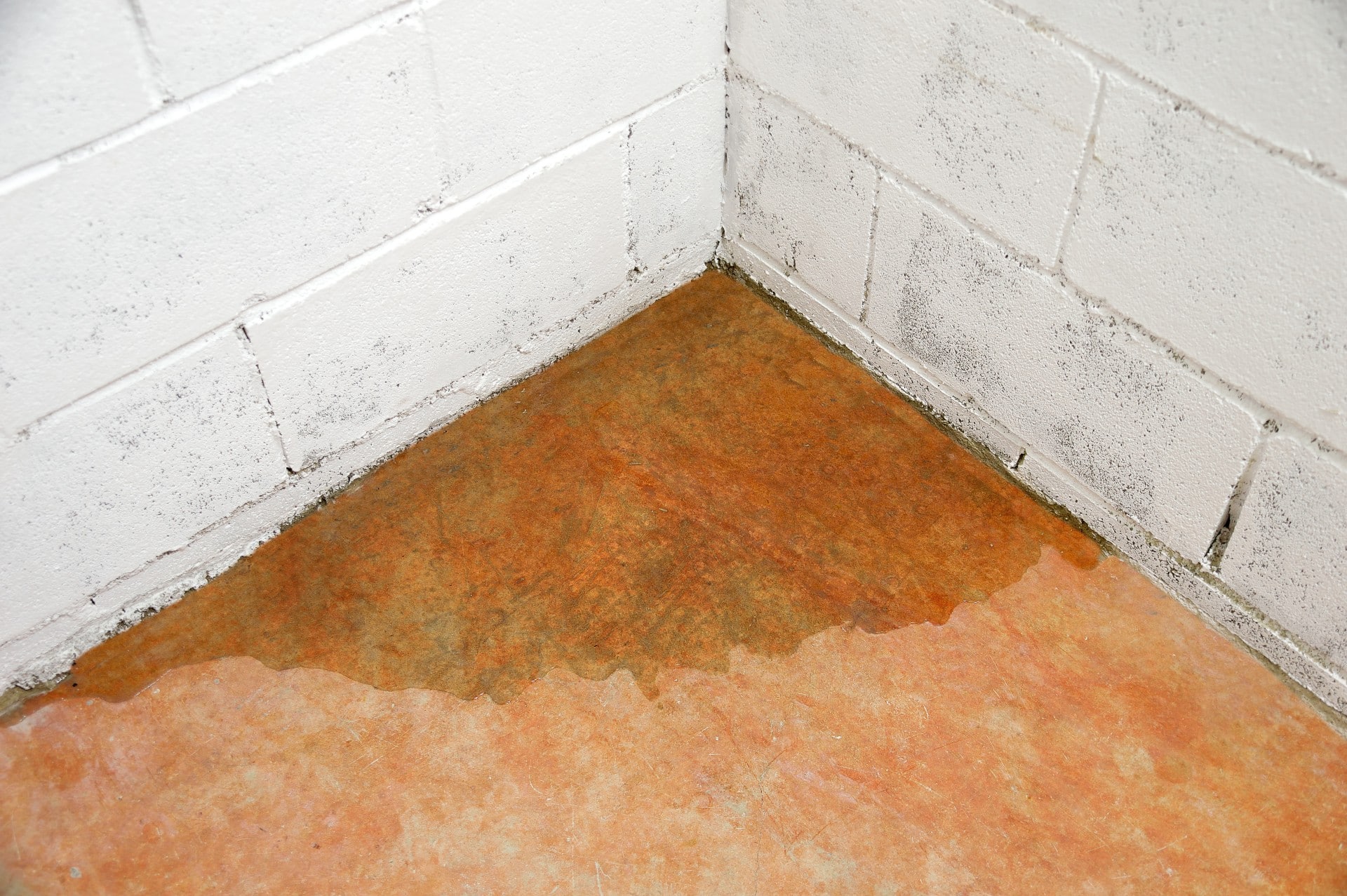
It usually starts small. A damp patch on the carpet that wasn't there yesterday. A warm spot on the tile floor that has no obvious source. Or a water bill that's suddenly $80 higher than normal, with no leaky faucet or running toilet anywhere in the house.
Most homeowners check the obvious places first — under sinks, behind the water heater, around the toilet — and find nothing. That's usually the point where people either assume it's not a big deal, or panic and call the first plumber who answers, worried the whole slab needs to be torn up.
Neither reaction is right. A slab leak has specific signs, and confirming one doesn't require guesswork or a demolition crew showing up on day one.
What Causes a Slab Leak in the First Place
Slab leaks happen when a water line running underneath your home's concrete foundation develops a leak — usually from corrosion, ground shifting, or a small manufacturing defect in the pipe that finally gives out after years of pressure. In Southern Utah, soil conditions and temperature swings between seasons can accelerate this kind of wear on older copper lines especially.
Because the pipe is underneath the slab, there's no visible drip to point to. The water finds its way up through the concrete and shows up as a warm spot, a damp patch, or in some cases, a moldy smell in a room with no obvious water source.
The Real Warning Signs
- A section of flooring that's noticeably warmer than the rest of the house (a sign of a hot water line leak)
- Unexplained increases in your water bill, even with no other changes in usage
- The sound of running water when every fixture in the house is off
- Damp carpet, warped flooring, or a musty smell in one specific area
- Low water pressure that shows up suddenly, with no clear cause
Any one of these on its own isn't necessarily a slab leak. But if you're seeing two or more together, it's worth having it checked before it turns into a bigger repair.
Why This Gets Misdiagnosed So Often
Here's where a lot of homeowners run into trouble: a plumber shows up, checks the visible plumbing, finds nothing wrong, and either tells you it's fine or jumps straight to recommending the floor be opened up to look for the leak directly. Both of those are guesses dressed up as diagnoses.
Confirming a slab leak the right way means using acoustic or thermal detection equipment to actually locate where the leak is under the slab — before anyone picks up a jackhammer. This matters because the location of the leak determines the repair option: sometimes it's a targeted spot repair, sometimes it's rerouting the line entirely, and sometimes it's a much smaller fix than the initial fear suggests. You can't know which one you need without proper detection first.
What to Expect From a Proper Slab Leak Diagnosis
- A walk-through of the affected area and a review of your water bill history
- Use of leak detection equipment to pinpoint the leak's location without unnecessary demolition
- A clear explanation of repair options based on where the leak actually is
- An honest answer if it turns out not to be a slab leak at all
Practical Takeaways
- A warm or damp spot with no visible leak nearby is the classic slab leak sign, not a red flag to ignore
- Water bill spikes without a clear cause deserve a second look, even if everything visible checks out
- Proper diagnosis uses detection equipment, not a guess followed by demolition
- The right repair depends on where the leak actually is, which you can't know without testing first
The Local Services Inc. Approach
We diagnose before we cut into anything. Our technicians use proper leak detection equipment to confirm exactly where a slab leak is before recommending any repair, so you're not paying for unnecessary floor work or getting a bigger job than you actually need. With a 4.5-star rating across 243 Google reviews, homeowners across St. George trust us to get the diagnosis right the first time.
Frequently Asked Questions
How do I know if it's a slab leak and not just a plumbing issue somewhere else?
The clearest signs are a warm or damp spot on the floor with no visible source, combined with a water bill increase you can't otherwise explain. A same-day inspection can confirm it either way.
Will you have to tear up my floor to find the leak?
Not to find it. We use acoustic and thermal detection equipment to locate the leak first. Whether any flooring needs to be opened depends on the repair option once the leak is pinpointed.
How fast can someone come out to check?
We offer same-day service, typically within one to two hours of your call.
What if it turns out not to be a slab leak?
We'll tell you. A proper diagnosis rules things out just as often as it confirms them, and you deserve to know either way before agreeing to any repair.
If you're seeing signs of a possible slab leak, don't wait for it to get worse. Our plumbing team in St. George can evaluate it the same day — before anyone touches your floor.
Leak Detection Services →